

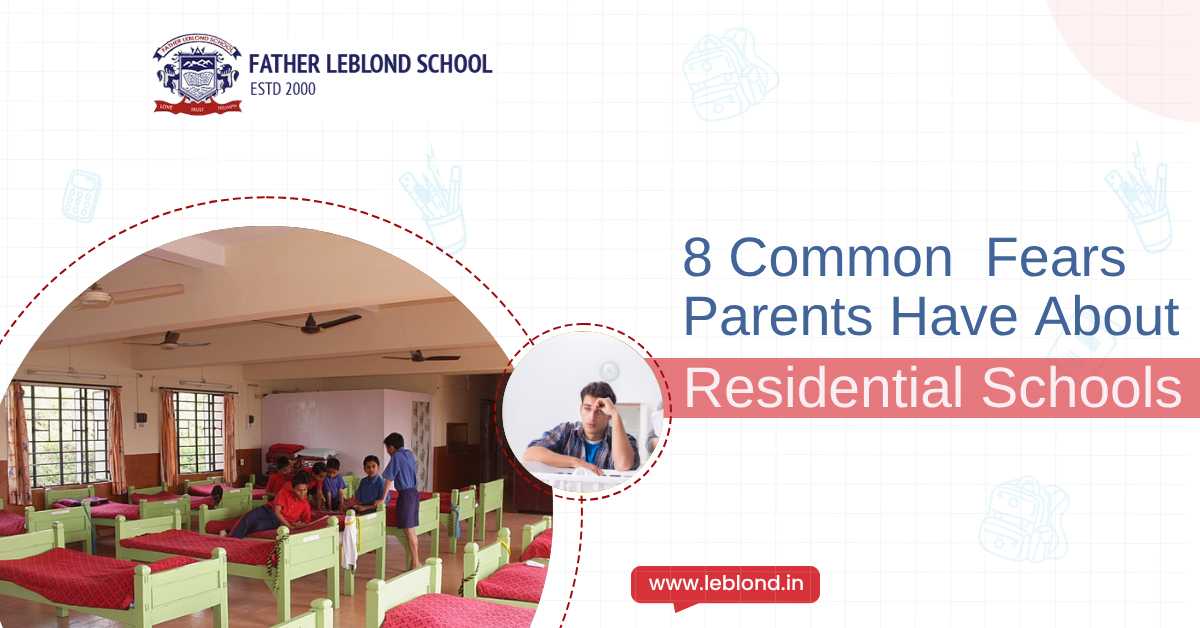

When parents decide to send their child to a residential school, it brings several thoughts to them. Many parents worry about sending their kids away from them and home, even though they know that these schools provide great academic possibilities, holistic development, and skill training.
We have to understand that these worries are normal. After all, making sure our kids are happy, safe, and getting the greatest care and education possible is all what we want. If you are looking for the best resident schools in Darjeeling or near you, you might find this blog interesting and useful.
This blog shares eight common fears or worries that parents often have regarding residential schools, and these aren’t surprising. Have a read to explore further.
1. Fear of Being Away from Their Child
The emotional strain of being apart from their child is a tough one and natural as well. The idea of limited daily connection might be daunting for many families, especially those who are thinking of residential schooling for the first time or have a single child.
Parents often worry:
- Will my kid miss home too much?
- Will they experience loneliness or abandonment?
- How am I going to handle not seeing them every day?
How Residential Schools Handle This Issue
Usually, residential schools recognize the value of preserving family ties; for this reason, these schools promote consistent communication by:
- Planned video and phone conversations
- Days for parent visits
- School activities and family gatherings
- Teachers and parents provide regular updates
Students gain/ develop self-reliance, self-assurance, and solid peer relationships that allow them to flourish in their new surroundings and maintain good connections with their parents.
2. Kids’ Safety & Security Concerns
For every parent, their kids’ safety concerns are obvious. Naturally, security concerns arise when parents send their child outside the home and to residential schools.
Common worries parents have are:
- Is the school campus secure for my kid?
- Are students receiving enough supervision at the school?
- How does the school manage crises?
- What steps are taken to treat misbehavior/ bullying at schools?
How Residential Schools Look After Students’ Safety
Usually, reputable residential schools in Darjeeling or in any location follow proper safety procedures, and these include:
- Campus security surveillance with around-the-clock assistance
- Wardens and residential staff with training
- Limited & monitored access for visitors
- Processes for emergency reaction
- Policies & reporting systems/ rules against bullying
To check the school's dedication to student safety, you can freely ask about these procedures when you visit, which will bring you clarity.
3. Tension for Kids’ Mental Health
No doubt, it can be somewhat stressful for kids to live away from home or without their parents. This is true especially in the early stages of adjustment, and here, parents worry that their kids might:
- Have loneliness
- Fear
- Stress brought on by academic pressure
- Have trouble adjusting socially
Support Systems at Schools
Students' emotional wellness must be of great value in modern & reputed residential schools, and they should serve:
- Psychologists/ school counselors
- Mentorship initiatives
- Wellness programs
- New student orientation programs
- Frequent emotional support
This supports students in developing healthy coping strategies while studying in residential schools, and resilience throughout their residential school years.
4. Not Giving Their Child Proper Attention
Due to their bigger student ranges, many parents get worried that residential schools might not offer enough personalized attention.
Often asked questions include:
- Will teachers recognize the special needs of my child?
- Will difficulties in school go unnoticed?
- Will the right guidance be given to my child?
Ways of Personalized Learning
Generally, highly reliable residential schools provide students with quality support networks, such as:
- Compact class sizes
- Facilities for academic mentorship
- Frequent assessments of performance
- One-on-one conversations with teachers
- Support for individualized learning where it is essential
Teachers help students develop a greater awareness of the strengths and weaknesses they have.
5. Academic Pressure Concerns
Some parents worry that too much pressure on their kids will interfere with their general well-being.
Parents might be afraid of:
- Burnout brought on by hectic schedules
- Peer competition that never stops
- Not being able to strike a balance between work and play
- Low enthusiasm for learning
Keeping the Environment in Balance
Holistic education has become a vital part of residential schools in and around us, and this goes above academics; they encourage students to take part in:
- Outdoor activities and sports
- The arts and artistic endeavors
- Leadership skill learnings
- Initiatives for community service
- Recreational activities for students
A well-rounded strategy is essential for our kids and supports kids' academic growth while preserving their mental and physical well-being.
6. Fear of Adverse Peer Influence
It’s true that your child's growth can be influenced by their peers. Concerns about their child's potential social situation in a residential facility are very common among parents.
Here, common worries are:
- Exposure to improper conduct
- Pressure from peers
- Having trouble making the proper friends
- Exclusion or bullying
Creating a Happy Community in the Schools
These schools actively promote respectful and inclusive settlements or spaces for students simply with:
- Programs for character education
- Unambiguous demands for behavior
- Supervision of faculty in residential areas
- Opportunities for leadership that encourage accountability
Benefits here could be better empathy, teamwork, and cultural awareness.
7. Anxiety About Kids’ Health & Medical Aspects
Naturally, as parents, we want to know that when our child needs medical help, we hope that they will get it quickly and appropriately. Isn’t it?
Concerns include:
- What happens if my kid falls sick?
- Are there medical personnel on campus?
- How are health issues handled?
- Will health issues be communicated to me right away?
Support for Healthcare in Residential Schools
Most well-known residential schools in Darjeeling or in any place offer complete medical treatment, which includes:
- On-campus medical facilities
- Qualified medical personnel, including nurses
- Access to specialists and hospitals in the area
- Regular health surveillance
- Parental notification protocols for emergency medical care
Families can feel a great deal of comfort when they understand these processes and their kids are secure.
8. Their Child Might Lose Family Connections & Family Values
Some parents are concerned that spending a lot of time away from home could affect their child's family values and views.
Concerns are often:
- Will my youngster grow aloof from the family?
- Will customs within the family be forgotten?
- Will they embrace values that are different from ours?
Relationships Are Strengthened Rather Than Weakened
Did you know it's interesting to note that residential schooling improves relationships for a lot of families? Holiday and visitation time together generally becomes more purposeful and meaningful.
Plus, residential schools prioritize ideals like:
- Respect
- Accountability
- Honesty
- Compassion
- Community involvement
Through consistent communication and active involvement in their child's educational career, you’ll continue to play a crucial role in upholding family values.
How Parents Can Facilitate the Shift
Well, if you decide that a residential school is the best option for your child, there are a few things you and your kid can do. And, these steps will make the move easier.
You Should Visit the Residential School Together
Visits to campuses offer chances to:
- Get to know the residential staff and teachers.
- Examine the facilities
- Recognize the rules of the school
- Inquire about your experiences as a student.
Promote Easy & Candid Communication
Another vital point is to talk honestly about your child's emotions, so reassure them that feeling anxious is normal and honestly address their worries.
Continue to Participate
Continue to communicate often by:
- Calls that are scheduled
- Parent-teacher conferences
- School-related activities
- Updates on progress
Pay Attention to the Perks
There are several benefits of getting admission to residential schools, such as:
- Self-reliance and discipline
- Strong academic backing
- Development of Leadership
- Time management abilities
- Friendships that last a lifetime
- Exposure to a variety of situations
This way, you may feel more assured about their choice if they are aware of these advantages.
Residential schools these days have come a long way. Besides academic success, these schools place a high priority on your kids overall betterment.
These include social, emotional, and physical growth. Many of these concerns can be successfully resolved with open communication and understanding the facts.
Final Words
First, we have to understand that parents' concerns about residential schools are very normal. Safety, emotional health, academic performance, and familial ties are real concerns that parents have.
In the end, choosing the best residential school needs research, discussions, and trust in the facts. We agree that even though the change may initially seem difficult, it will be effective in the future.
Feel free to visit the school with your kid and ask questions if you have any doubts to better understand things. For the best resident schools in Darjeeling or nearby, you might consider visiting Father LeBlond School.