


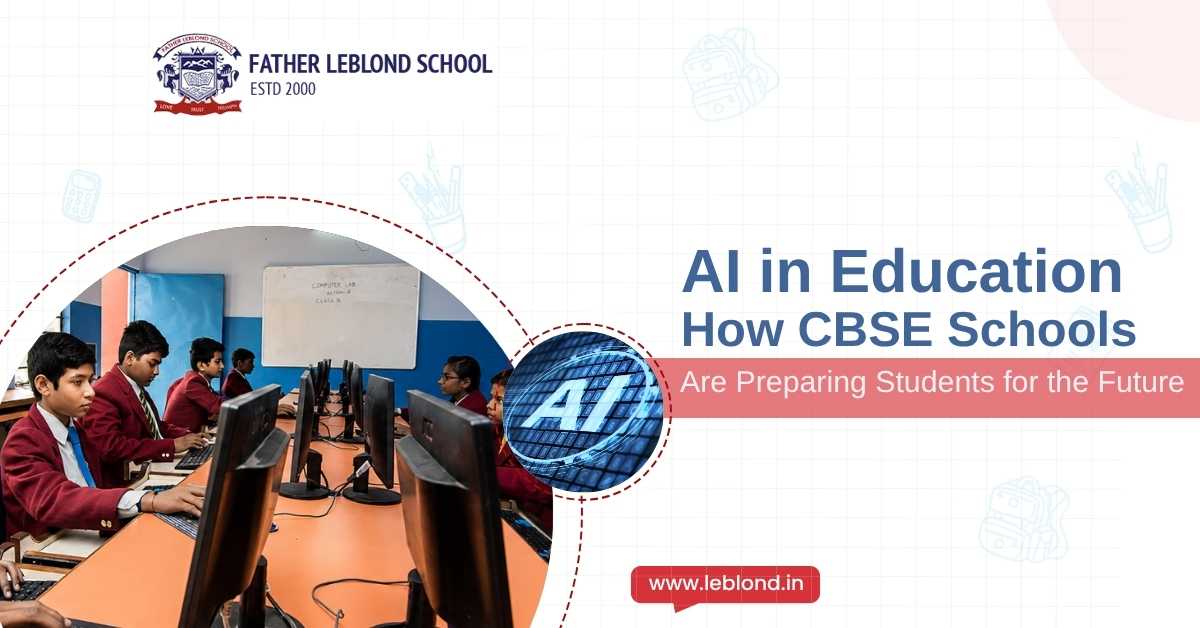


The importance of technology in education is immense. For academic work and communication, learners use laptops, tablets, smartphones, educational platforms, search engines, social media, and artificial intelligence tools. These days, technology has become more closely linked to education.
Thus, students must learn how to utilize technology in a responsible, considerate, and safe manner, and teachers/ educators and parents’ role matter a lot. Digital literacy and internet safety education are useful in this situation.
Students are receiving more assistance from many schools in Siliguri in understanding how digital platforms operate. Teachers help them understand how to assess content, safeguard personal information, identify online risks, and interact politely.
Educators are teaching kids how to be decent digital citizens instead of just using technology to finish schoolwork.
Digital Literacy - Overview
Simply put, this is the capacity to use digital technologies efficiently, critically, and responsibly. Well, digital literacy goes well beyond simply being able to type a paper, launch an application, or conduct an online search.
A learner who is digitally literate should be able to locate and assess information. Also, he/she can identify dubious content, interact effectively online, understand fundamental privacy principles, and use digital tools for collaboration and creation.
These skills are taught in schools at various ages. Younger students might learn proper internet conduct, safe browsing practices, and basic gadget usage with proper learning.
Topics including false information, cybersecurity, digital footprints, artificial intelligence, copyright, data privacy, and appropriate social media use may be studied by students in the higher classes.
Helping students acquire abilities that they can apply both inside and outside of the classroom is the aim of educators in schools.
Teaching Students to Think Critically Online
The vast amount of information available to us online is one of the largest obstacles we must overcome. It can be challenging to differentiate accurate information from deceptive content associated with search results, videos, social media postings, ads, and AI-generated content.
In response, schools are integrating critical thinking and media literacy into their curricula to better help their students.
Students can be instructed to ask:
- Who produced this data?
- What proof is there for the claim?
- Is the source reliable?
- When was the data released?
- Does the content aim to sell, educate, or convince?
- Is it possible to verify the facts using trustworthy sources?
Instructors can provide students with instances of questionable websites, edited photos, deceptive headlines, or false statements and urge them to look into the supporting data.
Through these exercises, our students learn that not everything they come across online should be shared or taken at face value.
Developing Strong Online Safety Practices
Another vital component of digital education is certainly online safety, and students learn useful practices at school. This can lower common risks when using the internet.
Based on their age, children might be taught how to make secure passwords. They can also learn how to utilize multi-factor authentication when it's available, avoid dubious links, spot phishing attempts, and protect personal data.
Also, before disclosing information like their full name, address, phone number, school information, age, house no., photos, or location, students are advised to use caution.
Instead of using technical jargon, age-appropriate examples help students learn cybersecurity concepts. For instance, a teacher might describe how a phony message can fool someone into disclosing private information or clicking on an unreliable link.
Our students are better equipped to protect themselves when their online activities increase when they are aware of these warning signs at an early age.
Educating on Digital Footprints
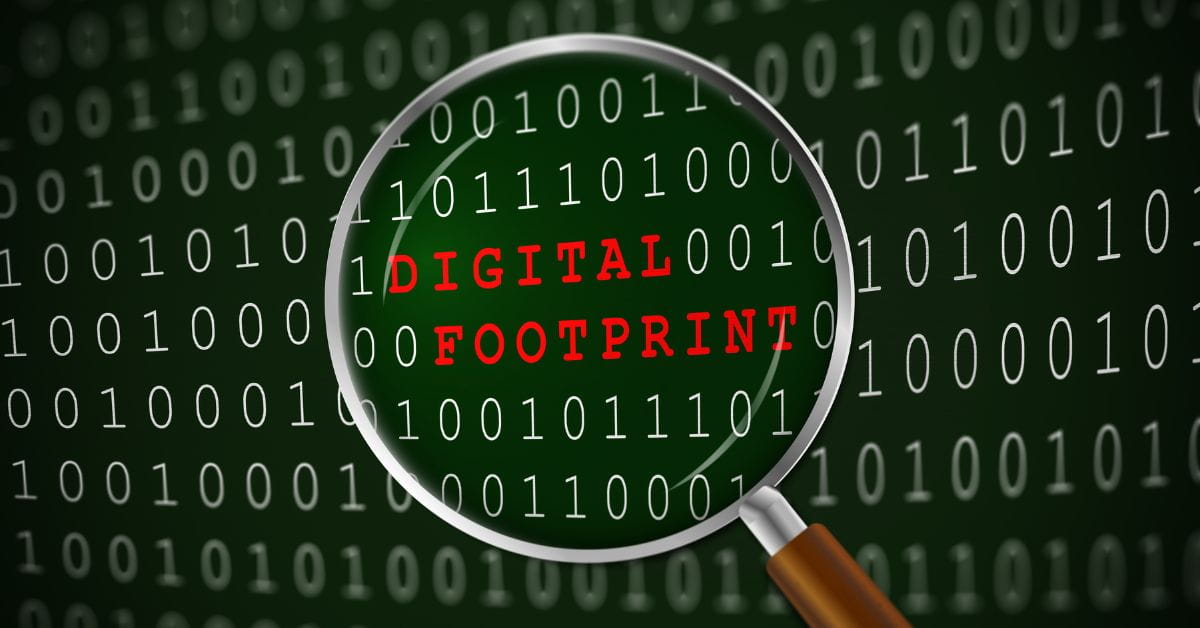
Many adolescents are initially unaware that their actions on the internet can have long-term effects. As a result, the idea of a digital footprint is being taught in several schools in Siliguri or other areas in the country.
Did you know that a person's online activity-related data and content are included in their digital footprint? Online posts, comments, images, videos, profiles, and conversations can all fall under this category.
Without thinking about who would see it later, students might talk about what might happen if they shared anything online. These discussions urge kids to think about whether their online activity reflects how they want to be seen before they post or publish anything online.
Promoting Respectful Online Conversation
Being able to interact with others online is another aspect of digital literacy that we should help students learn.Schools may talk about group chats, improper remarks, cyberbullying, online harassment, and the difficulties of communicating without in-person cues. That will be of great help.
Students learn that anonymity does not remove them from accountability for their actions and that communications are easily misinterpreted.
Instructors can motivate students to:
- On the internet, treat people with respect
- Don't send offensive or embarrassing stuff
- Report instances of intimidation or bullying
- When feelings are strong, consider your response before acting
- When an online interaction seems risky, ask for immediate assistance
These teachings link the use of technology to responsibility, empathy, and sound judgment, which assist students in the best way possible.
Avoiding the internet is not the solution since the importance of the internet is invaluable. Rather, they learn how to use it carefully and understand how responsible online conduct is essential, and this can enhance one's online reputation.
Educating Students on Privacy
In the context of teaching digital literacy, privacy has become very important. When students interact with websites and apps, they may be asked for personal data, permissions, or device functions.
Here, students can learn how to read age-appropriate privacy notices and understand why websites ask for specific information. Plus, they are able to think about what information they really need to disclose.
They may learn about privacy settings on popular platforms and the need to maintain account security.
Including Digital Literacy in Regular Subjects
We need to understand that it's not always necessary to treat digital literacy as a distinct discipline. And, it is incorporated into many schools' current curricula.
For instance, when conducting research for an essay, students may learn how to assess web sources in an English lesson.
How propaganda and false information can spread throughout various media could be covered in a lecture. While classroom projects can educate students on how to communicate using digital platforms, technology programs can include cybersecurity, coding, responsible technology usage, and digital creation.
The goal here is to assist students in becoming more considerate about their personal information. Because students acquire the skills while using technology for actual academic goals, this approach makes digital literacy more applicable.
Taking Artificial Intelligence into Account in Education
Yes, the development of generative AI has expanded the scope of digital literacy. AI-powered tools for research, writing, learning, making graphics, and problem-solving are becoming more common and helpful among students.
For this reason, rather than using AI as a shortcut to finish assignments, schools are starting to teach students how to utilize technology appropriately for good.
Students must know that outputs should be verified against reliable sources, and that AI-generated information may contain inaccuracies. Understanding responsible use, privacy issues, bias, and the value of human judgment are components of AI literacy.
Why Digital Literacy Matters for Students
Digitally literate students are better prepared. These abilities may have an impact on their learning, communication, work, and social participation.
No doubt, a learner is better able to handle false information if they are able to assess their sources. Students who are aware of privacy are more inclined to safeguard personal data, and this is what we need to help them learn.
A student may be less likely to fall for internet frauds if they are aware of phishing attempts. The most significant benefit of digital literacy is that it empowers our learners to utilize technology responsibly and independently.
Final Words
Schools may not predict every platform or digital problem that students will face in the future since technology will continue to evolve and be everywhere. Effective digital literacy instruction, on the other hand, focuses on transferable abilities.
So, students must be able to challenge information, defend themselves, communicate sensibly, adjust to new tools, and make deliberate choices.
For effective learning and digital literacy, you may choose one of the best schools in Siliguri, Father LeBlond School.