


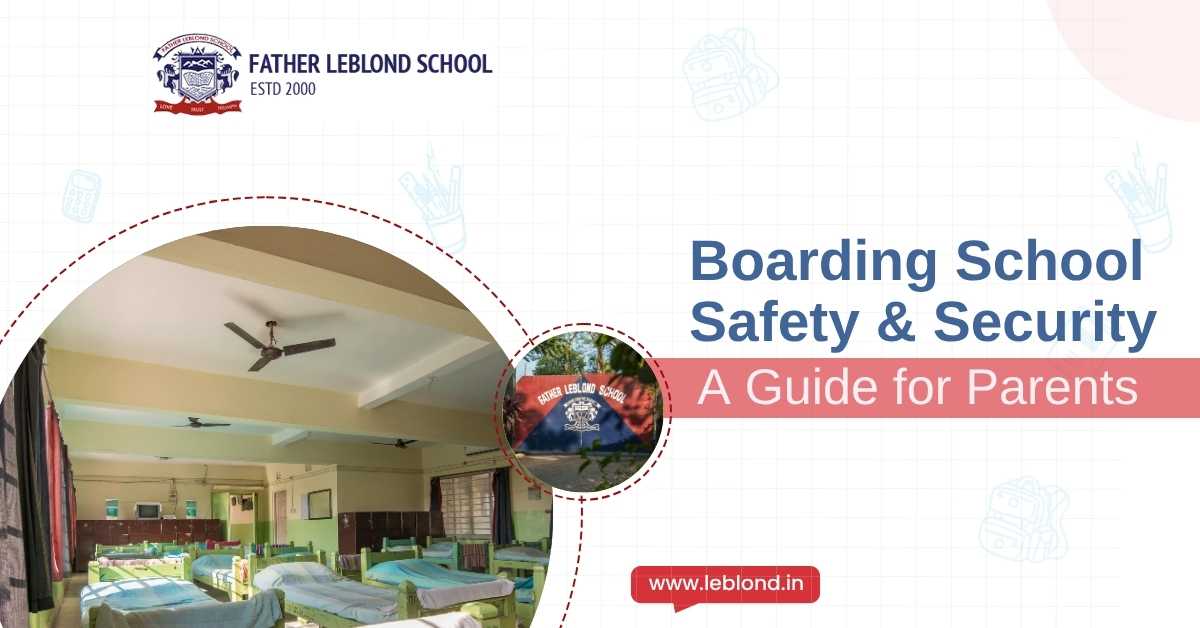

Choosing a boarding school is a significant step for parents, considering the amount of time that children will spend in a new environment. In addition to academics, extracurricular activities, and the overall development of the student, parents should ask about the ways in which the school prioritizes their safety. A boarding school safety guide helps parents to understand the essential safety and security measures that they should look out for when selecting a boarding school for children.
From secured campuses and trained staff to health care facilities, emergency planning, and student supervision, many factors contribute to a child's safety at boarding school. Knowing the importance of each will help parentstomake an informed choice when looking for a reputable institution.
Why is safety important in a boarding school?
Students in a boarding school live, study, and participate in various activities within the school campus. This makes safety a significant component of a child's life at boarding school.
A reputable boarding school should strive to create an environment that nurtures independence while ensuring students' well-being. It is essential that schools address not only external but also internal safety concerns. Parents should therefore consider more than just grades when looking for a suitable boarding school. Understanding the procedures that the institution has in place to handle everyday safety matters and potential crises is vital in making the right decision.
Key safety features parents should check:
1. Secure campus and entry points:
A school's entry and exit points are a crucial component of campus safety. Parents should ask the school management about the procedures that they have in place to ensure that only authorized people can enter and exit the campus.
Some questions that parents could ask include:
- Does the institution keep a record of visitors?
- Does the school ensure that all visitors are authorized and checked before entering the campus?
- Are guards stationed at all entry points?
2. Student supervision:
Students at a boarding school need to be supervised at all times, including during classes and recreational time.
It is important for parents to understand the school's student-to-staff ratio and ask whether staff are available at all times to answer students' questions or assist them.
3. CCTV and Security Monitoring:
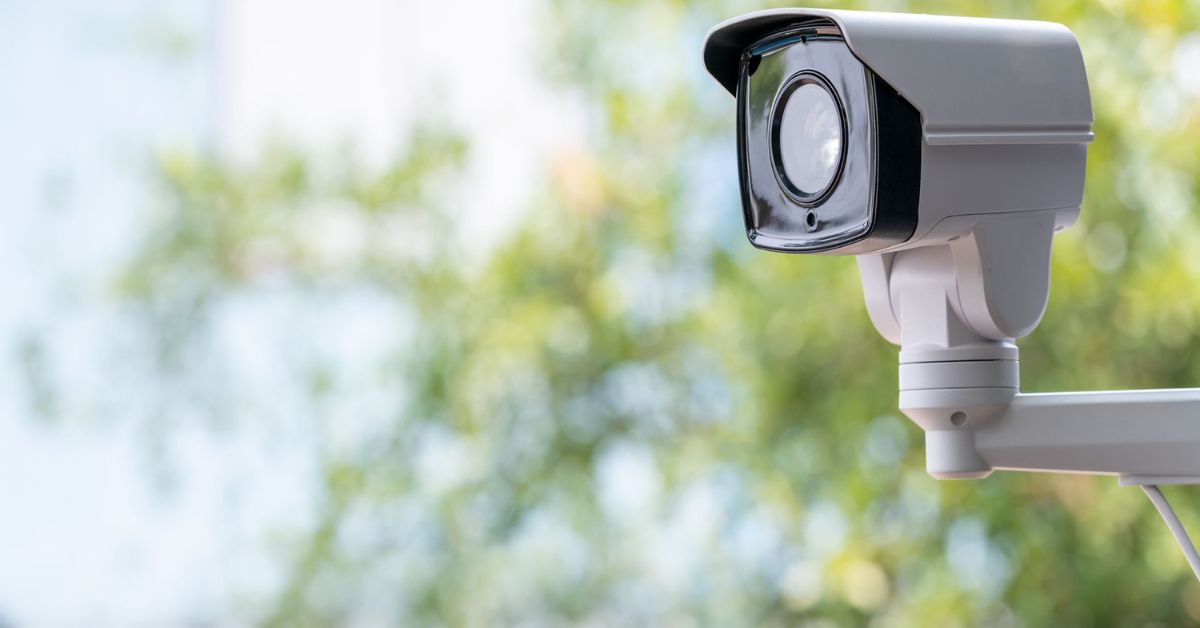
Closed-circuit television (CCTV) cameras can be an excellent way for schools to monitor their campuses and ensure that all students are accounted for. However, parents should be mindful that students have a right to privacy and ask whether cameras are placed strategically and if residential or other private areas are excluded.
4. Safe and Well-Maintained Residence:
Apart from day students, boarding schools accommodate children who live within the institution. The accommodation should therefore be a priority for parents considering a boarding school. Dormitory conditions should be pleasant and conducive to the students' well-being.
Parents can assess the condition of the boarding facilities by touring the school. Some general questions that they could ask include:
- Is the boarding facility maintained to a standard that promotes student safety?
- Are the fire exits, staircases, and balconies safe?
- Are the electrical appliances in good condition?
- Is there an appropriate student-to-staff ratio in the dormitory?
- Are the bathrooms and residence clean?
5. Fire and emergency preparedness
Emergencies are unpredictable and can occur at any time, making it essential for schools to have procedures in place to deal with them.
Parents should ask whether the institution has emergency response plans, such as fire drills, and how staff respond to emergencies.
Some general questions that parents could ask about emergency and fire drills include :
- Are there clearly indicated emergency and fire exits?
- Are there fire extinguishers and other equipment in accessible places?
6. Medical and First Aid Facilities:
Access to basic health care is a crucial aspect of a boarding school experience for students and parents alike.
Parents should ask whether the school has medical facilities and appropriately trained staff for first aid. They should also ask whether the institution notifies parents in case of an emergency. Before admission, parents should inform the school of any particular medical needs or concerns.
7. Food and drinking water safety:
Students in boarding school rely on the institution's meals and drinking water facilities. As such, parents should ask about the general hygiene and organization of the kitchens as well as the school's policy for students with special diets.
8. Anti-bullying and student protection policies:
Physical security is not the only concern that students and parents should be aware of. Children at school often experience bullying and other social issues, and schools are likely to have strict measures in place to deal with such problems.
Parents should therefore ask about anti-bullying and any other policies that apply to students' social wellbeing. It is also important that students know who they could go to in case of bullying or other social problems. In general, a boarding school environment should encourage students to speak up if anything makes them feel unsafe.
9. Safe Transportation:
For day students, commuting to and from the boarding school is essential. Parents should ask about the institution's transport arrangements and supervisory procedures that they have in place.
10. Communication with parents:
Parents are likely to feel reassured when they know that there is an effective communication strategy between the school and them. A reputable institution will be able to respond to queries and concerns promptly and let parents know about any pertinent developments.
Parents should understand who they could contact regarding a safety concern and what the general procedure is when an emergency occurs that affects their child.
Questions parents should ask before admission :
Before selecting a boarding school, parents could ask the following questions about the school's safety procedures :
- How are students supervised after school hours?
- Who is responsible for the safety of residential students?
- How does the institution manage visitors?
- How will the school respond to a medical emergency?
- Who can students approach if they feel unsafe?
- How does the school measures does the institution have in place?
- How are students supervised during day excursions and activities?
Asking these questions helps parents to understand whether the institution's safety and procedures align with their own values and expectations.
How can parents help children stay safe?
It is essential for parents to understand that a child's safety is a shared responsibility. Parents could prepare children for the boarding school experience by educating them about the importance of following the rules and asking for help if they encounter any unsafe situations.
Students should know that it is never a weakness to reach out to a reliable authority figure about anything that makes them feel unsafe.
Parents should encourage open communication with children about any issues that they face without making them feel as if they are being tattled on. After all, children in a boarding school are experienced by their parents throughout their studies at the institution.
Final Thought :
A good boarding school should offer the best opportunities for students while providing them with a safe, reliable, and comfortable environment in which to grow. Using this boarding school safety guide, parents could identify essential safety factors, such as secure campuses, student supervision, resident facilities, healthcare, emergency drills, transportation, and protection from social issues.
If you are looking for an institution that puts the well-being and development of its students at the forefront of its operations, you can contact Father LeBlond School for more appropriate guidance for your child.
FAQS:
1. Why is student supervision important in boarding schools?
Since students live on campus, proper supervision helps ensure their safety during study hours, meals, recreational activities, overnight stays, and other daily routines.
2. What security measures should a boarding school have?
A boarding school may have controlled entry and exit points, visitor verification, security personnel, CCTV monitoring, and clear procedures for handling unauthorised access.
3. How does a boarding school handle medical emergencies?
Parents should ask whether the school has first aid facilities, trained staff, and arrangements for accessing medical care during emergencies. They should also understand how parents are notified about serious health concerns.
4. How can boarding schools protect students from bullying?
Schools can establish clear anti-bullying policies, provide trusted adults for students to approach, and create confidential ways for students to report concerns.
5. What can parents do to prepare children for boarding school?
Parents can teach children basic safety practices, encourage them to follow school rules, and remind them to speak with a trusted adult whenever they feel unsafe or need help.
