
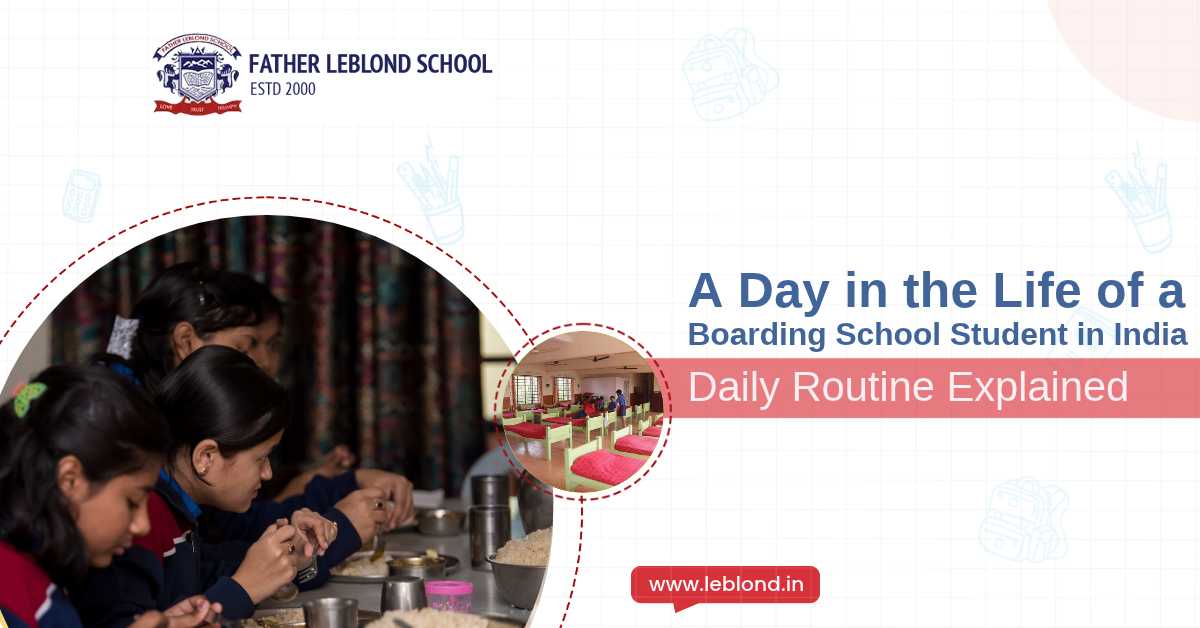

Attending a boarding school can be a very different experience from living at home and going to a conventional school. From the moment they wake up in the morning until they go to bed at night, there is a strict timetable for students to follow.
Boarding school daily routines teach children time management and build discipline and responsibility. Children need to manage personal care, lessons, meals, sports, homework, and getting ready for bed. This helps them to become more independent and organised.
What does boarding school life look like?
1. Morning wake-up and personal preparation:
Children will wake up to the sound of the morning bell. They will get out and get ready for the start of their day. This will involve brushing their teeth, having a shower, tidying their hair, and getting their personal items ready.
Staff and wardens will help younger children; older children will usually be able to manage on their own. They will also make their beds, tidy their cupboard, and keep their area clean.
2. Yoga, exercise, and morning physical training:
Once children finish their morning preparations, they will go to their playground/ activity areas. Many boarding schools will have some form of physical activity, yoga, stretching, jogging, or meditation.
3. Breakfast and getting ready for classes
After morning exercise, students return to their residential blocks, change into their school uniform, and head to the dining hall for breakfast. They may have milk, eggs, fruits, bread, cereals, poha, or other breakfast items.
Students will enjoy their meals with their friends; they will also get their books, jotters, and stationery ready. They will check their timetables and put their bags in order. They will then go to their classes.
4. Classroom lessons and academic learning:
The academic schedule begins with regular classroom sessions. The children will have different subject classes according to their regular schedule. Children will learn new topics; difficult concepts will be explained, and they will have discussions and complete in-class activities.
Children also have practical lessons, experiments, presentations, and group work. Some schools will have library and ICT classes. This will encourage children to read and learn practical skills.
5. Practical lessons and classroom activities:
The academic schedule will continue with additional lessons and practical learning lessons. Students may work on science experiments, computer assignments, subject-related projects, or classroom presentations.
Teachers in the class may ask questions about the topic they taught in class and ask questions so that students are attentive to the topic discussions and able to gain more knowledge. Some schools will have library time. Children will be able to read books, use educational resources, and complete any assignments.
6. Lunch breaks and relaxation:
Children will go to the dining hall to have lunch. They may have rice, dal, vegetables, salad, curd, and other items depending on the menu.
Children will be able to interact with their classmates. Children will abide by the dining hall rules, keep things clean, and respect the area. They will be able to take a short break.
7. Creative learning and afternoon classes
Afternoon sessions may include regular classroom lessons, project work, and creative activities. Depending on the school, they may have music, dance, art, drama, crafts, and/or public speaking classes.
This will give children time to focus on their interests. If they are interested in music, they will be able to take part in art and drama.
8. Outdoor sports and extracurricular activities:
Children will have a break from their classes to play sports. They will go to the playground, sports courts and/or an activity area. They will play their favourite games.
Sports may include football, cricket, basketball, volleyball, badminton, athletics, and other activities. They may also play indoor games such as chess and table tennis.
Some schools will have house competitions, team games, and sports coaching. This will encourage children to work as a team, abide by rules, and play their sport of interest.
9. Evening snacks and personal time :
After sports and extracurricular activities, children will return to their boarding block to get ready. They will have a snack and then move on to their next activity.
Children will also have some personal time to organise their items and can spend time with their friends, read books, and get their study items ready. Depending on the school, they may be able to contact their parents during this time.
10. Surprise study and homework:
Evening study hours give students dedicated time to complete their academic responsibilities. They may be supervised by teachers or staff. If they are struggling with their assignments, they will be able to get help.
They will usually :
-
Complete their homework and in-class assignments
-
Revise topics
-
Prepare notes for their upcoming exams
-
Read textbooks and resources
-
Complete projects and presentations
11. Dinner and social interaction:
At night, children will have dinner. They will go to the dining hall to have their dinner. All the children gather in the dining hall, enjoy their meals, and talk about their experiences throughout the day.
After dinner, some schools will let them have a short amount of time to talk with their friends. They will talk about their school activities, read, organise their books, and get their uniforms ready for tomorrow.
12. Bedtime preparation and lights-out:
Children will return to their dormitory to get ready for bed. They will organise their bags, have uniforms ready, and get their items in order.
Younger children will be helped by the staff. Older children will usually manage on their own. They may also have a short amount of time to read or chat quietly with their roommates.
The dormitories will be supervised by the wardens and staff. They will follow the school's safety rules for late nights. They will have a set time to go to bed so they can have a good sleeping pattern.
How does a boarding school routine help develop a student’s personality?
Children will have a routine in place while attending a boarding school. They will have regular opportunities to build good habits and take on responsibilities to help develop them.
-
Time management: Children will learn how to manage their time. They will have set times for classes, meals, sport, and study.
-
Independent: Children will learn to manage their personal items, keep themselves hygienic, and get ready for classes.
-
Teamwork: Children will learn to work as a team. They will have sports competitions, group work, and work within the dormitory.
-
Communication: Children will regularly interact with their classmates and teachers. They will be able to express their opinions and build their confidence.
-
Responsibility: Students in the school have to follow rules, complete assignments, and maintain their living spaces help students understand their responsibilities.
-
Adaptability: Children need to develop adaptability and adjust, as they will stay with different children and will be exposed to new perspectives, which will help them adjust to different social situations.
Final thoughts:
Being at boarding school helps children experience life outside of home. It teaches them how to stick to a schedule, make choices, and share responsibilities. They learn how to fit in a community of people who all have some rules.
The boarding school daily routines also introduce them to a sense of order, where they understand the value of punctuality, cooperation, and personal commitments through everyday experience.
These experiences make residential education an important part of growing up, where children get opportunities to discover their abilities, develop new interests, and prepare themselves for greater responsibilities. So, to get a more proper educational environment for your children, you can contact Father Leblond School to learn about their admission process and campus.
FAQs:
Q1. What time do children usually wake up?
➤ Most boarding schools have children wake up at 6 am to 7 am. This will depend on the school’s timetable, age groups, and activities.
Q2. How long do they have classes for?
➤ Children will usually have several hours of classes. This will depend on their year groups, curriculum, and extra learning.
Q3. Do they have time for sport and hobbies?
➤ Many boarding schools will have set times for sports and extra-curricular activities. Children may play football, cricket, basketball, music, dance, art and more.
Q4. Do they have study time in the evenings?
➤ Usually yes, Schools will have set times for homework, revising, and exam preparation. They may be supervised by teachers or staff.
Q5. Do they have the same routine at the weekend?
➤ They may have extracurricular activities, sports competitions, trips, cultural activities, and extra study.
Q6. Do they have the same routine at the weekend?
➤ They may have extracurricular activities, sports competitions, trips, cultural activities, and extra study.
Q7. What if your child is struggling to adapt to boarding school?
➤ They can speak to their teachers, wardens, house parents, or counsellor. Parents can also speak to the school.
